I love this time of the year. My garden looks a little scruffy in places as things start to die back. Tidying up in the garden is so satisfying as you know it will stay looking great for months.
On top of that the spring bulbs and winter bedding are in the shops. Lidl is particularly brilliant for bulbs this week. A very satisfactory morning spent planting bargain bulbs means I am looking forward to more hyacinths, tulips, crocus, and allium next spring. Deep joy.
Showing posts with label spring. Show all posts
Showing posts with label spring. Show all posts
Thursday, 22 August 2013

Tuesday, 23 July 2013
Beauty. Malvern, Worcestershire.
 |
| Allium, poppy and fritillery display |
 |
| Poppy and allium display |
 |
| Allium with fat green seed pods |
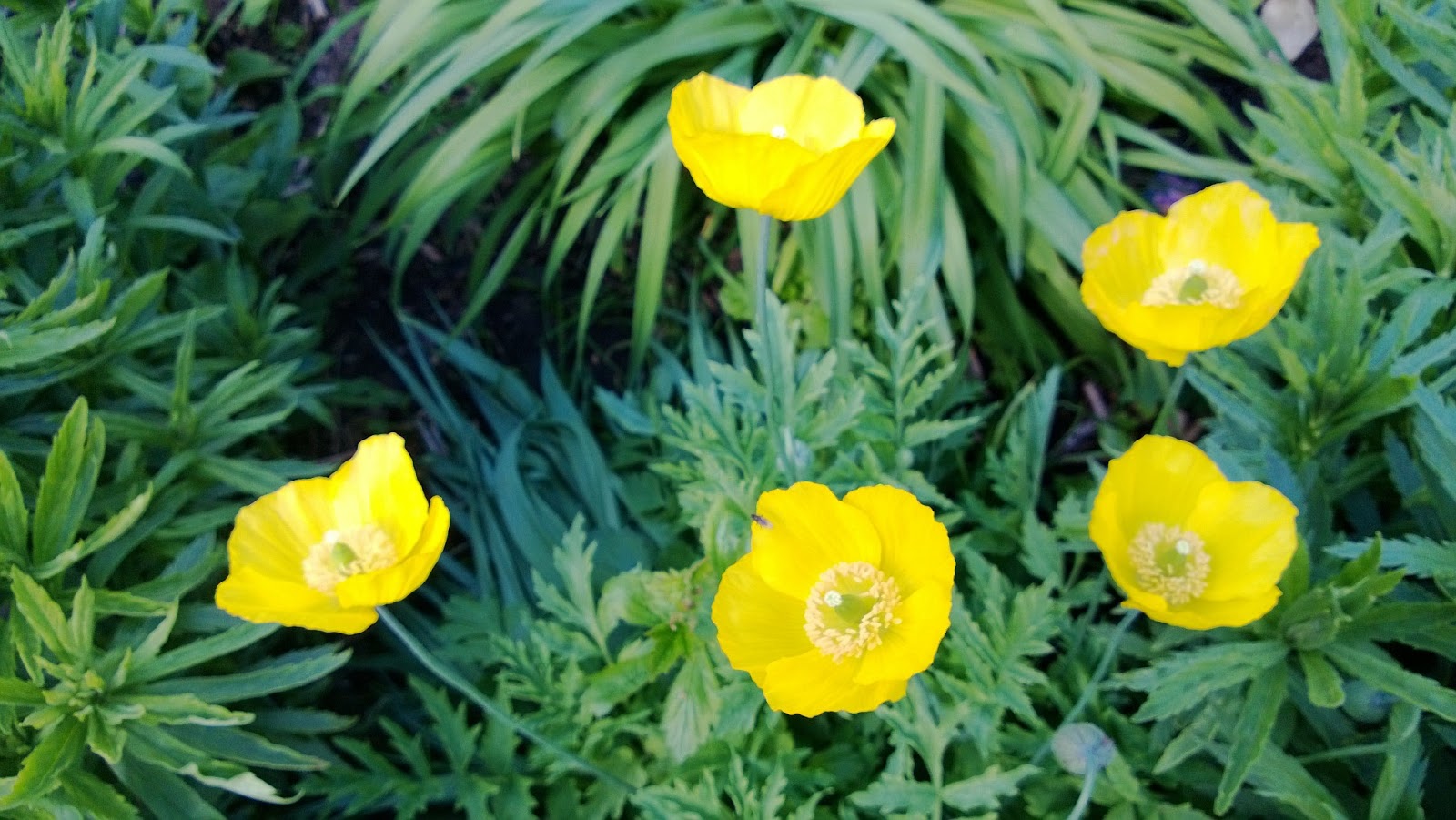 |
| Poppy flowers |
Monday, 27 May 2013
May's garden treasures. Malvern, Worcestershire.
 |
| Tulip tarda |
 |
| Tulips |
 |
| Tulip and daffodil display |
 |
| Cherry blossom |
 |
| Clematis |
 |
| Aqualigia purple |
 |
| Aqualigia pink |
 |
| Hosta |
 |
| Purple tulip and allium flower bed |
 |
| London blue |
 |
| Yellow poppy |
Monday, 20 May 2013
Tulips, spring colour.
 |
| Daffodil and tulip display |
 |
| Tulip Tarda |
 |
| Pink and purple tulip |
 |
| Red and yellows |
 |
| Display in the Rose gardens |
Tuesday, 14 May 2013
Spring colours, Malvern, Worcestershire
 |
| Primrose in April |
 |
| Forsythia |
This is what makes large similarities more curious. Why are all the early spring native flowers, such as aconites, primrose, daffodil, forsythia etc, all yellow ? Why are all the most wild forms of fruit trees in spring, like cherry, plum, gage, apple, pear and hawthorn, have white blossom ? And again why do the vast majority of the second flush of native flowers, anemone, forget-me-not and bluebell all have blue flowers ?
 |
| Daffodil wood in April, (Newent) |
 |
| Forget-me-nots, today by Malvern stocks |
My theory is that there are so few pollinating insects about early in the growing season that all the flowers have to appeal to the broad swathe of insects, and it is beneficial to all if they use the same colour to advertise that their pollen is ready.
 |
| One of the very few white naturally occurring bluebells |
We have deciphered the bee's dance and it communicates not only the distance and direction to the best flowers, but also their colour, to the bees companion's. We know then that insects make a note of the colour of the best flowers,
Later in the year with pollinating insects being far more numerous, flowers can appeal to a specific few insect types and so more varieties of colour can occur.
 |
| Bluebells today between Gardiners Quarry and Black Hill Malvern |
Monday, 13 May 2013
Blossom, Worcestershire.
 |
| Hawthorn Blossom also known as May Blossom |
 |
| Pink Cherry Blossom |
 |
| White Cherry Blossom |
 |
| Pear Blossom |
 |
| Plum Blossom |
 |
| Greengage Blossom |
Friday, 10 May 2013
Rose garden, Rhododendrons, Malvern, Worcestershire.
 |
| Formal Bed |
 |
| White rhodedendron detail |
 |
| Red Rhodedendron |
 |
| Cerise rhodedendron |
 |
| Lilac rhodedendron |
Thursday, 9 May 2013
Magnolis in Malvern, Worcestershire.


Magnolia, the tree
Much maligned by paint charts
And bland interior design.
Fine, waxy petals,
Of oriental providence
 Light and exotic.
They are in every street and park a beacon of exquisite beauty at this time of year.
Sunday, 5 May 2013
Bluebells, Old Hills, Callow End, Worcester.
 |
| Okay so the dandylions were lovely too |


Monday, 29 April 2013
Sunsets in spring.

In summer the sunsets are wonderfully expansive pink and orange skies.

We are not there yet, but this spring we have had some moodily sunsets, splashed with streaks of purple and pink.

Stormy looking clouds and indigo blues they are beautiful in a gothic sort of way.

Stark black trees show off their fine fan like branches against this moody backdrop.

Subscribe to:
Posts (Atom)